
Painting Over Old Paint: When It Works and When It Backfires
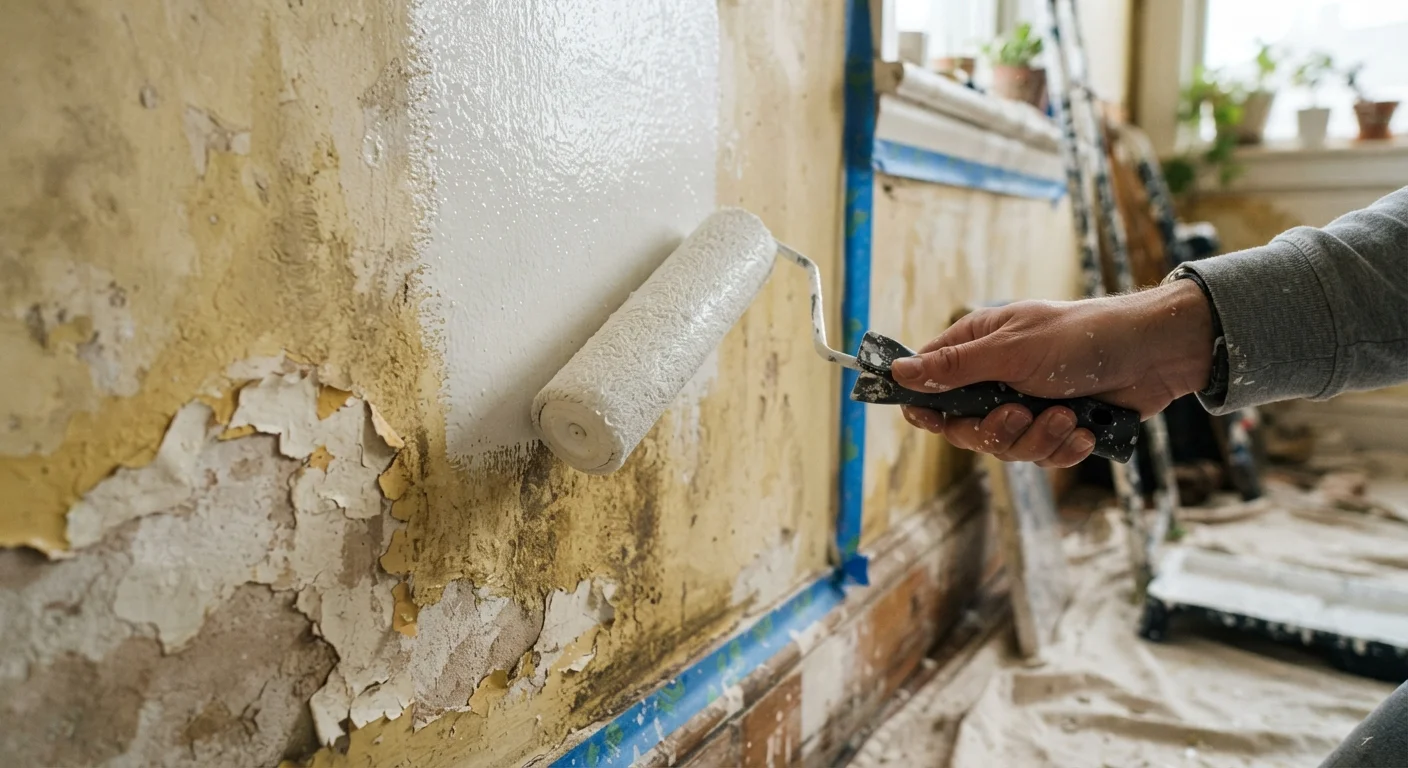
Photo credit: featuredbuzz.com
In this article
Learn which surface conditions allow a fresh coat to adhere properly and which situations require stripping, priming, or professional assessment first.
Key Takeaways
- Sound, clean, and lightly scuffed old paint can usually accept a new coat without stripping.
- Peeling, flaking, or chalking paint must be removed before repainting or adhesion will fail.
- Switching paint types, such as oil-based to latex, requires a bonding primer in between.
- Lead paint found in homes built before 1978 needs professional assessment before any sanding or scraping.
- Primer is not always required, but skipping it on the wrong surface leads to bleed-through and poor coverage.
Why painting over old paint sometimes fails
Most paint failures trace back to one cause: the new coat never properly bonded to the surface beneath it. Paint needs a stable, clean anchor. When the old paint is loose, contaminated, or chemically incompatible with the new product, the fresh coat peels within months regardless of how carefully it was applied.
The good news is that most interior walls in reasonable condition do not need stripping. A thorough cleaning, light scuff sanding, and the right primer (when required) are enough to get a lasting result. The problems arise when homeowners skip the diagnostic step and assume any old surface is ready to go.
Before opening a can, press your fingernail firmly against the old paint in a few spots. If it dents without flaking, and there are no bubbles or cracks, the surface is likely sound. If paint lifts at the nail or crumbles, that section needs to come off before anything new goes on top.
Myth
You can always paint over old paint without any preparation as long as it looks fine.
Fact
Visual inspection alone misses adhesion problems. Proper surface prep, including cleaning and light sanding, is always needed.
Paint that looks intact can still have a slick or contaminated surface that prevents the new coat from bonding. Grease, smoke residue, and silicone from furniture polish all block adhesion without any visible sign. Washing the wall with a mild detergent solution and rinsing it before painting is not optional prep work; it is what separates a lasting job from one that peels in the first year.
Myth
Applying two coats of new paint will cover and seal peeling old paint underneath.
Fact
New paint applied over peeling areas will peel along the same lines. The loose paint must be removed first.
Peeling paint means the bond between the old coat and the substrate has already broken. Adding a new layer transfers that same weak bond to the new paint. Within months, the new coat lifts along with the old one. Scraping back to solid material, sanding the edges smooth, and spot-priming the bare patches before painting the whole wall is the only way to stop the cycle.
Myth
Primer is just an extra expense. A good quality paint does not need it.
Fact
Higher-quality paint improves coverage and durability but does not substitute for primer on incompatible or porous surfaces.
Paint and primer serve different purposes. Paint builds color and a protective film. Primer seals porous surfaces, blocks stains, and creates a chemical bridge between incompatible paint types. On a clean, painted wall where you are staying with the same paint chemistry and similar color, a separate primer coat is often unnecessary. On bare drywall, wood, stained surfaces, or when switching between oil and latex, skipping primer typically results in uneven absorption, bleed-through, and poor adhesion that no paint quality can fix.
Myth
If the old paint contains lead, scraping and sanding it off yourself is the safest approach before repainting.
Fact
Disturbing lead paint by sanding or scraping generates hazardous dust. Professional assessment is required before any removal work begins.
Homes built before 1978 may have lead-based paint on walls, trim, and windows. The U.S. Environmental Protection Agency (EPA) requires contractors to follow lead-safe work practices under the Renovation, Repair and Painting (RRP) Rule when disturbing lead paint in pre-1978 housing. Homeowners doing their own work are not subject to the same legal requirement, but the health risk from lead dust, especially for children and pregnant women, is the same regardless. If you suspect lead paint, have the surface tested by a certified inspector before sanding or scraping anything. Painting over intact, well-adhered lead paint without disturbing it is generally considered an acceptable containment approach, but the condition of the paint must be confirmed first.
Contact your local health department or the EPA's National Lead Information Center for guidance specific to your situation before starting any work on surfaces that may contain lead.
Myth
Exterior paint and interior paint work the same way, so you can use either one for any surface.
Fact
Exterior and interior paints use different formulas suited to their conditions and should not be used interchangeably.
Exterior paints contain additives that resist moisture, UV exposure, mildew, and temperature swings. Those same additives can release higher levels of VOCs (volatile organic compounds) indoors, where ventilation is limited. Interior paints are formulated for washability and low odor in enclosed spaces but will not hold up to direct sun, rain, or freeze-thaw cycles outdoors. Using interior paint outside causes it to fail prematurely. Using exterior paint inside raises air quality concerns. Match the product to the application.
Surface conditions that determine your approach
Old paint falls into a few categories, and each calls for a different preparation level.
Sound painted surfaces: walls with intact, adhered paint that have been washed down and lightly sanded are ready for a new coat. A 120 to 150 grit sanding scuffs the gloss enough to give the new paint something to grip.
Peeling or flaking areas: scrape back to solid paint, feather the edges with sandpaper, and spot-prime bare patches before painting the whole surface. Skipping the scraping step means the new coat will replicate every raised edge and eventually peel along the same lines.
Chalking exterior paint: chalking is a powdery residue that forms as exterior paint ages and breaks down. Painting directly over chalk means the new coat bonds to loose powder rather than the substrate. Wash it off with a stiff brush and water, rinse well, and let it dry fully.
Glossy surfaces: high-gloss and semi-gloss paints resist adhesion. A thorough scuff sand or a liquid deglosser product cuts the shine enough for the new coat to grip. Skipping this step is a common reason paint peels off trim and cabinets within a year.
Do not sand unknown surfaces without testing first
Sanding old paint on pre-1978 surfaces before confirming it is lead-free creates fine dust that poses serious health risks, particularly to children and pregnant adults. Inexpensive lead test swabs are available at hardware stores, or you can hire a certified lead inspector. If lead is confirmed, follow EPA lead-safe work practice guidelines or hire a certified contractor before proceeding.
When primer is non-negotiable
Primer is not a universal requirement, but there are clear situations where skipping it costs more time and money in the end.
Switching from oil-based paint to water-based (latex) paint requires a bonding or shellac-based primer. Latex paint does not adhere reliably to a slick oil-based surface. A primer bridges the two chemistries. The reverse, applying oil-based paint over latex, also needs a bonding primer.
Any bare wood, drywall, or patched spots must be primed before a topcoat. Unprimed porous surfaces absorb paint unevenly and create dull, blotchy patches that multiple topcoats cannot fix.
Water stains and tannin bleed-through from wood knots require a stain-blocking primer, typically shellac or oil-based. Standard latex primer will not stop them from reappearing through the new color.
Going from a dark color to a significantly lighter one usually calls for a tinted primer to reduce the number of topcoats needed for even coverage.
40%
Of DIY paint jobs that fail within 2 years
According to paint industry guidance, inadequate surface preparation is cited as the leading cause of premature paint failure in residential projects.
1978
Year U.S. banned lead paint in housing
The U.S. Consumer Product Safety Commission banned lead-based paint in residential buildings in 1978; homes built before that date may still have it present.

Author
Affordable Home & Garden Editorial Team
Affordable Home & Garden Editorial Team is the collective byline for our editorial team and contributor network. Articles published under this byline or an editorial pen name are researched, written, and reviewed according to our editorial standards for clarity, consistency, and independence before publication.
View all articles →