
Free Museum Days, Library Events, and Community Programs Near You
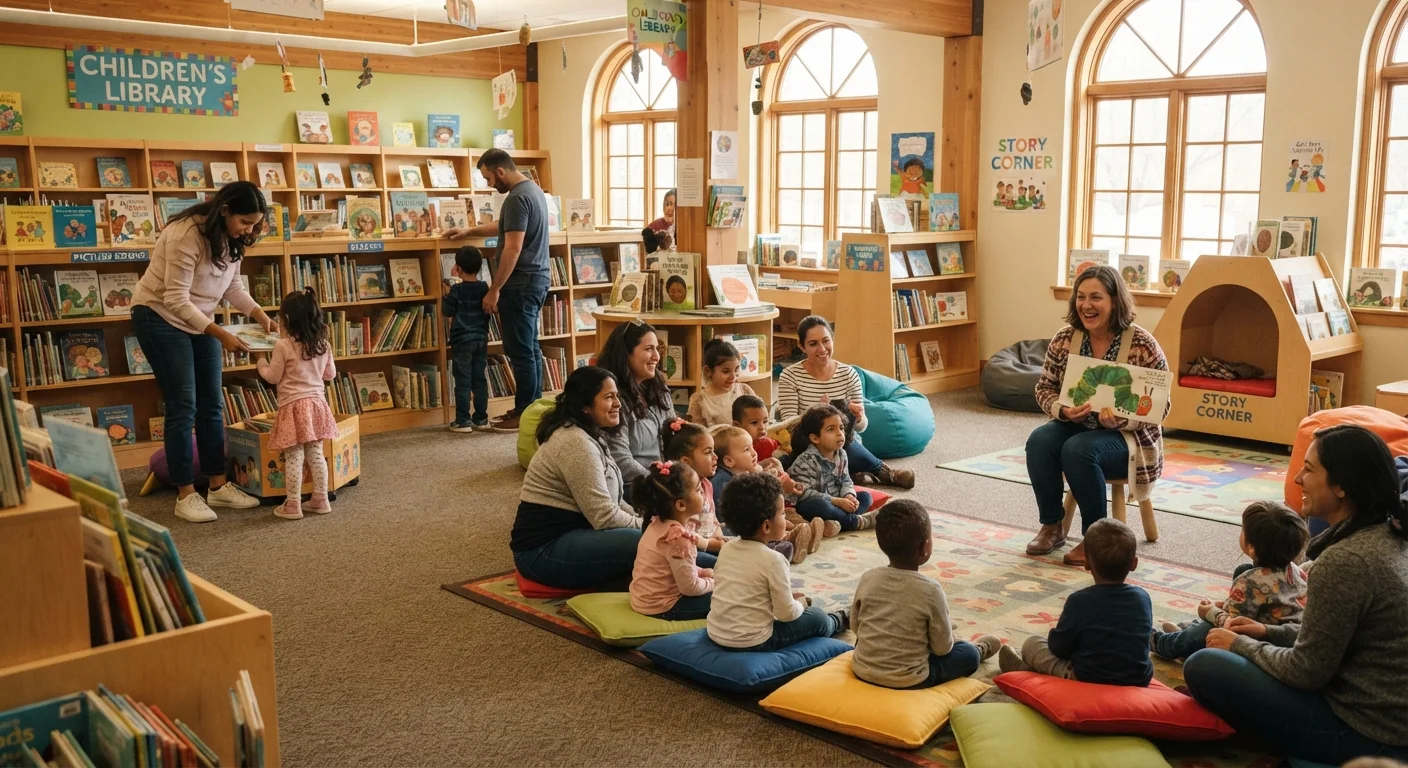
Photo credit: featuredbuzz.com
In this article
A practical guide to finding no-cost cultural and educational events in your community, from free museum admission to library story hours.
Where free cultural programming actually lives
Most communities carry a surprising amount of no-cost programming that families walk past every week without knowing it exists. Public libraries, local museums, cultural centers, parks departments, and nonprofit organizations all run recurring events aimed at children and families, many of them funded by municipal budgets or private grants precisely so that cost is never a barrier.
The challenge is not scarcity. It is knowing where to look and understanding how each type of program works, so you can slot the right ones into your schedule. This guide maps out the main categories and shows how to find what is available in your specific town or city.
For a broader strategy on locating events near you, the guide to community events calendars covers the apps, websites, and local resources that aggregate free programming by ZIP code or neighborhood.
Free museum admission: what to look for
Many museums schedule free or reduced-admission days on a regular basis. Science centers, art museums, children's museums, and history museums participate in programs that waive the entrance fee for all or part of a day. A few patterns to know:
- Some museums offer free general admission on the first Sunday or first Saturday of each month.
- The Smithsonian Institution's museums in Washington, D.C. are free every day, and several of its affiliate museums across the country also offer free entry.
- The Museums for All program, run by the American Alliance of Museums, allows families receiving SNAP benefits to enter participating museums for $3 per person or less. Over 1,000 museums participate nationally.
- Bank of America cardholders can access free admission at hundreds of cultural institutions on the first full weekend of each month through the Museums on Us program.
Admission policies change, so always verify directly with the museum before you visit. Many also offer free after-school hours on select weekdays, which can be far less crowded than weekend free days.
If your family is weighing whether a museum membership makes financial sense relative to free admission days, the article on paid passes versus free alternatives walks through exactly that calculation.
Library programs that go well beyond story time
Public libraries have expanded their programming far past the classic children's story hour, though story hours remain genuinely excellent for toddlers and preschoolers. Here is what most library systems now run at no charge:
- STEM and maker programs using 3D printers, robotics kits, and coding tools available for drop-in use or structured workshops.
- Summer reading challenges that offer small incentives for logging reading hours, often with community-wide goals and local business participation.
- Teen game rooms and homework help scheduled during after-school hours.
- Movie screenings under public performance licenses, often with themed discussion guides for older kids.
- ESL classes, citizenship prep, and adult literacy for parents who want programming for themselves while kids attend youth events.
- Seed libraries where families can borrow vegetable and flower seeds for a garden, then return seeds at the end of the season.
Branch locations within a system sometimes offer different programming than the main library, so check each branch calendar separately. Most library systems publish event calendars on their websites and allow email or text sign-up for program reminders.
Community programs run by parks and recreation departments
Parks and recreation departments are one of the most underused sources of free family activities. Beyond the playground, your local park system typically runs seasonal programs that include free nature walks, outdoor movie nights, drop-in sports clinics, and environmental education days led by staff naturalists.
Many cities also fund free summer concert series, outdoor theater productions, and cultural festivals through the parks department or a related arts commission. These events are usually listed on the city's official website under a parks, recreation, or community events section.
A few other community program types worth checking in your area:
- County health departments sometimes run free nutrition education workshops and family cooking classes.
- Community colleges and extension services affiliated with land-grant universities offer low-cost or free family workshops on gardening, budgeting, and food preservation.
- Fire stations, police departments, and public utilities occasionally host open-house or safety education events for families.
- Local arts councils often coordinate free gallery openings, mural tours, and hands-on art workshops.
Once you have a list of free events, the step-by-step framework for a zero-cost family day can help you string multiple activities into a full-day plan without any last-minute scrambling.

Author
Free Family Fun Editorial Team
Free Family Fun Editorial Team is the collective byline for our editorial team and contributor network. Articles published under this byline or an editorial pen name are researched, written, and reviewed according to our editorial standards for clarity, consistency, and independence before publication.
View all articles →