
Planning a Zero-Cost Family Day: A Step-by-Step Approach
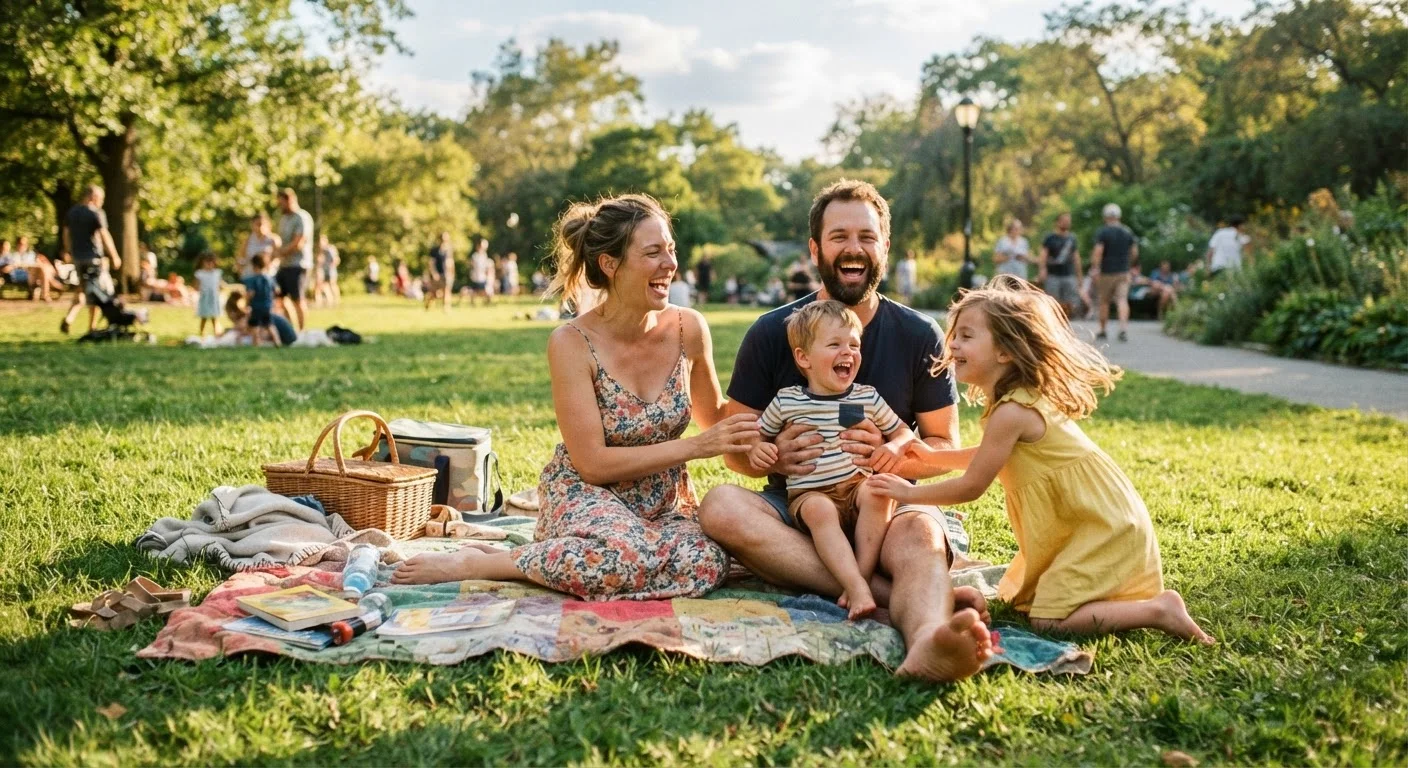
Photo credit: featuredbuzz.com
In this article
With a little advance planning, a full day of family fun is achievable without spending money. Here is a practical framework to make it happen.
Key Takeaways
- Most communities have free parks, libraries, and events that families can use any weekend.
- Planning the day the night before prevents last-minute spending on convenience items.
- Packing food and drinks from home is the single biggest factor in keeping the day truly free.
- A backup indoor plan protects the whole day if weather changes unexpectedly.
- Older kids who help plan the day are more engaged and less likely to push for paid alternatives.
Why planning the night before makes the biggest difference
A zero-cost family day rarely fails because free options do not exist. It fails because the day starts without a plan, hunger hits at noon, and the path of least resistance is a drive-through. The fix is almost entirely front-loaded: thirty to sixty minutes of preparation the evening before removes nearly every situation where spending feels necessary.
This checklist works through each part of that preparation in order. The groups below cover research, food, gear, family buy-in, and contingency planning. Work through them the night before your chosen day and you will have covered every common pressure point.
If your family is also thinking about longer trips or bigger financial goals, the frugal family living hub has resources on building spending habits that support both.
Research and destination selection
Food and drink preparation
Gear and supplies
Family buy-in and scheduling
Backup and contingency
How to find genuinely free things to do
Most American communities have more free programming than families realize. Public libraries, parks departments, nature centers, and local arts councils regularly run free events that go under-promoted. A fifteen-minute search across your city's official site and your library's calendar will usually surface several options for any given weekend.
For outdoor families, free and low-cost national park activities can extend the idea to day trips. For days when weather makes outdoor plans unrealistic, indoor rainy-day activities that cost almost nothing provides a ready list of alternatives using materials most households already have.
Watch out for "free" events with hidden costs
Some community events advertised as free include paid add-ons like craft kits, carnival games, or food vendors that can quickly pull a family off budget. Review the event description carefully before arriving, and talk with kids about what is included and what is not. Agreeing on this before you leave the house prevents conflict on the day.
Impulse spending is the most common budget breaker
A single stop for ice cream or a convenience store snack run can unravel a zero-cost day. Packing a treat from home removes most of that pressure. If your family is new to no-spend days, it helps to have a clear, agreed-upon rule before departure rather than trying to negotiate in the moment.
Children who help choose the destination are less likely to lobby for paid alternatives once the day is underway. Offering two or three vetted free options and letting kids vote takes about five minutes and makes the whole day easier to run.
Local parks and recreation website
Find free events, open facilities, and seasonal programs in your city or county.
Public library card
Access free events, activity kits, museum passes, and digital resources the library may lend.
Reusable cooler or insulated bag
Transport home-packed food and drinks so the family never needs to buy anything while out.
Community event apps (Nextdoor, local Facebook groups)
Surface neighborhood events, swap meets, and pop-up activities that do not appear on official sites.
A paper or notes-app checklist
Track everything that needs to be packed and confirmed the night before the day.
Making unstructured time part of the plan
Not every hour needs an organized activity. Research on unstructured play consistently shows that children benefit from time where they direct their own activity rather than follow a schedule. A grassy park, a pile of sidewalk chalk, or an open field can fill an hour without any adult coordination at all.
Building at least one unstructured block into the day also creates breathing room. Parents are not performing entertainment, kids are not waiting for the next thing, and the day feels less like a production and more like a day off.
Verify event details before you go
Free community events can be cancelled, rescheduled, or changed with little notice. Always confirm times, locations, and entry requirements directly with the organizer or through the official venue website before loading the family into the car. This one step prevents wasted travel and disappointed kids.
If your family wants to go further with this kind of planning, backyard camping is one way to extend a zero-cost day into a zero-cost overnight adventure using what you already own.

Author
Free Family Fun Editorial Team
Free Family Fun Editorial Team is the collective byline for our editorial team and contributor network. Articles published under this byline or an editorial pen name are researched, written, and reviewed according to our editorial standards for clarity, consistency, and independence before publication.
View all articles →