
Free and Low-Cost National Park Activities Families Actually Love
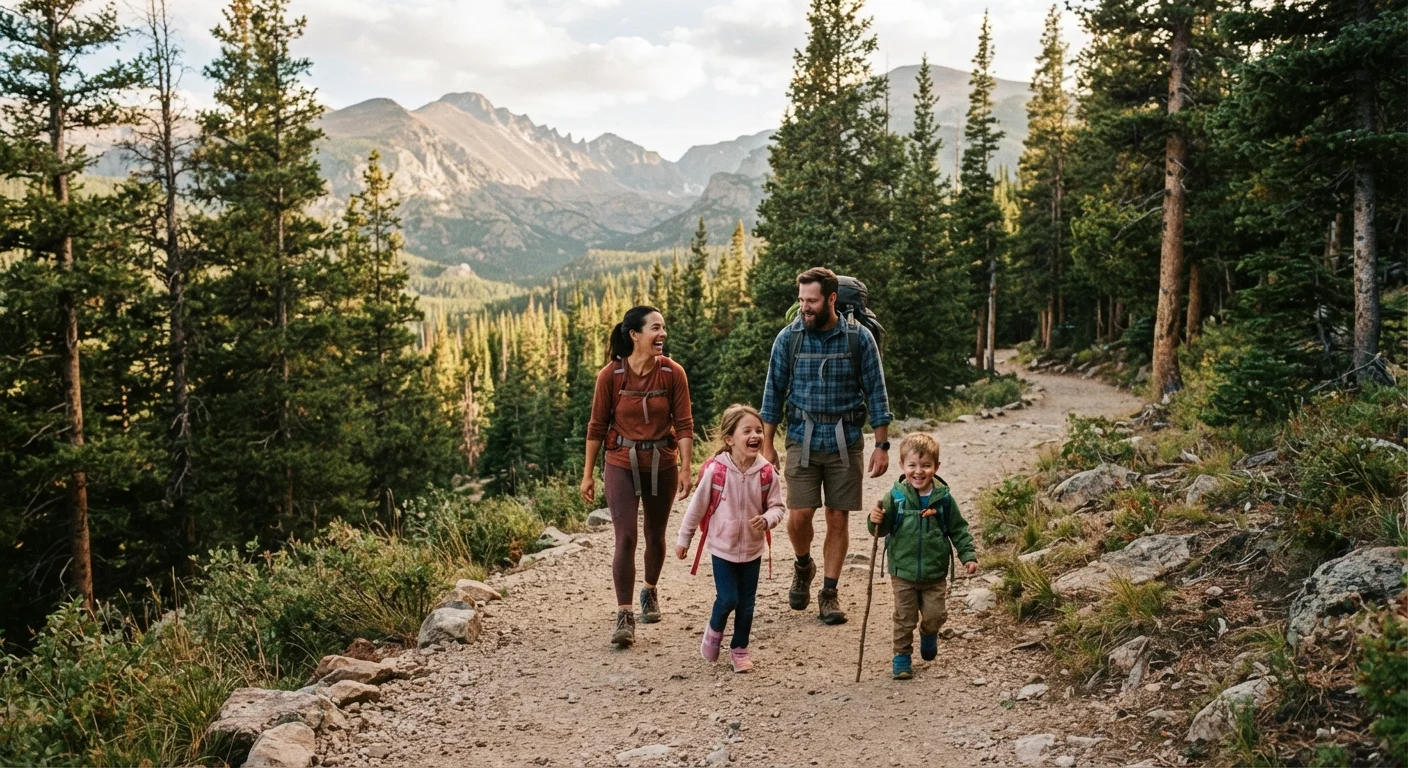
Photo credit: featuredbuzz.com
In this article
Discover ways to enjoy America's national parks without draining your wallet, including free entry days and ranger-led programs.
Key Takeaways
- The America the Beautiful pass covers entrance fees at over 2,000 federal sites for one flat annual fee.
- Fourth-graders get free national park access for a full year through the Every Kid Outdoors program.
- Ranger-led programs including guided hikes and campfire talks are free at most national parks.
- Free park entrance days occur several times a year and are announced on the National Park Service website.
- Junior Ranger programs give kids structured, no-cost activities at nearly every national park.
Why national parks are worth the trip for budget-minded families
Entrance fees at national parks can sting, but the cost of a single visit is often the only spending required for a full day of outdoor activity. Once you are inside, hiking trails, wildlife watching, swimming holes, and ranger programs carry no additional charge. For families managing tight travel budgets, that math works in your favor.
The activities listed below are either free within the park or available at little cost. Several programs eliminate entrance fees altogether. Pairing these with a road trip that keeps fuel and food costs low can stretch a modest budget across multiple parks in a single trip.
Use the America the Beautiful annual pass
For families who plan to visit more than one national park in a year, the America the Beautiful pass covers entrance fees at more than 2,000 federal recreation sites, including all national parks, for a flat annual fee. The pass admits the cardholder and passengers in a single non-commercial vehicle. At parks that charge per person rather than per vehicle, the pass covers the cardholder plus up to three accompanying adults; children under 16 always enter free.
The pass is available through the National Park Service website and at most park entrance stations. Military families can obtain the pass at no cost, and US citizens or permanent residents with permanent disabilities qualify for a free lifetime version. Verify current eligibility requirements and pricing on the NPS website before purchasing.
One pass covers entrance fees at over 2,000 federal sites for the whole year.
Enroll your fourth-grader in Every Kid Outdoors
The Every Kid Outdoors program, administered by the federal government, gives every US fourth-grader a free annual pass to federal lands including national parks. The pass also covers the student's immediate family or accompanying adults, up to three people, when entering a fee area together. Passes are obtained through the Every Kid Outdoors website and require a short activity to complete first.
Fourth grade is the target year, but the program typically opens each September and runs through the following August. If you have a child entering fourth grade, mark the start date and request the pass early since activities may take a few minutes to complete before the pass is issued.
A fourth-grader's free pass covers their whole family at national park entrance gates.
Attend ranger-led programs
Most national parks run free ranger-led programs throughout the day, including guided hikes, campfire talks, wildlife identification walks, and geology demonstrations. These programs are available to anyone inside the park and require no advance registration at most locations, though popular programs at busy parks sometimes fill quickly.
Program schedules are posted at visitor centers, on bulletin boards near campgrounds, and on each park's page of the NPS website. Ranger talks typically run 30 to 90 minutes, making them practical for families with younger children who cannot sustain multi-hour hikes. The interpretive content is genuinely educational, and rangers field questions openly.
Ranger programs are free, scheduled daily, and cover topics from geology to local wildlife.
Sign kids up for the Junior Ranger program
The Junior Ranger program is available at nearly every national park. Children complete an activity booklet, which usually involves short hikes, wildlife observation, and answering questions at the visitor center, then take a pledge with a ranger and receive a badge or patch. The booklets cost nothing at the visitor center, and some parks offer digital versions through the NPS app.
For families covering multiple parks, the badges accumulate into a collection that kids often take seriously. The program also structures a visit around specific tasks, which helps keep younger children engaged throughout the day rather than losing focus after the first hour on a trail.
Junior Ranger booklets are free and give children a structured goal to work toward during the visit.
Plan visits around free entrance days
The National Park Service designates several free entrance days each calendar year, typically around federal holidays and events like National Public Lands Day. On these days, entrance fees are waived at all NPS fee-charging sites nationwide. The dates are published on the NPS website well in advance.
Free days attract larger crowds, so arriving early matters more than usual. If the park you want to visit has a timed-entry reservation system, check whether that system remains in effect on free entrance days; some parks require reservations regardless of fee status. Free entrance days do not waive camping fees or fees for special experiences like cave tours.
Free entrance days are announced in advance on the NPS website, usually tied to federal holidays.
Swim, picnic, and star-gaze at no extra charge
Many national parks include accessible swimming areas, rivers, and lakeshores where swimming is permitted at no additional fee beyond park entry. Families can spend most of a summer day at these spots without purchasing any add-on activities. Before visiting, check each park's current swim advisories; water conditions, blue-green algae warnings, and closures are updated regularly on the NPS site.
Picnic areas are free throughout most parks and offer a straightforward way to cut food costs. Night sky programs, where rangers discuss constellations and operate telescopes, run seasonally at parks with low light pollution and are almost always free. Check individual park event pages for scheduling, since these programs depend on weather and staffing.
Swimming, picnicking, and ranger night sky programs add hours of activity without extra fees.
Getting the most out of your park visit
Preparation separates a frustrating day from a genuinely memorable one. Download the NPS app before you leave home; it includes offline maps, trail details, and ranger program schedules for most parks. Arrive early, especially in summer, to claim parking near trailheads and to attend morning ranger walks before midday heat sets in.
Pack food from home. Concessions inside parks are priced for convenience, and a family of four can spend as much on lunch as the park entrance fee itself. A cooler with sandwiches and snacks costs a fraction of that and keeps energy up through a long afternoon of hiking.
Check the park's website before you go
Timed-entry reservation systems now operate at several high-traffic parks, including Glacier, Rocky Mountain, and Zion, during peak season. Missing a required reservation can mean turning back at the gate even with a valid pass. Reservation windows typically open weeks in advance, so check the specific park's page on the NPS website when you start planning.
If your family also enjoys outdoor spaces closer to home, state parks offer similar experiences at lower cost and far less crowd pressure. For free options that require no travel at all, your local park system is worth exploring before you plan any bigger trip.

Author
Budget Travel Tips Editorial Team
Budget Travel Tips Editorial Team is the collective byline for our editorial team and contributor network. Articles published under this byline or an editorial pen name are researched, written, and reviewed according to our editorial standards for clarity, consistency, and independence before publication.
View all articles →