
State Parks: America's Underappreciated Alternative to Crowded Tourist Spots
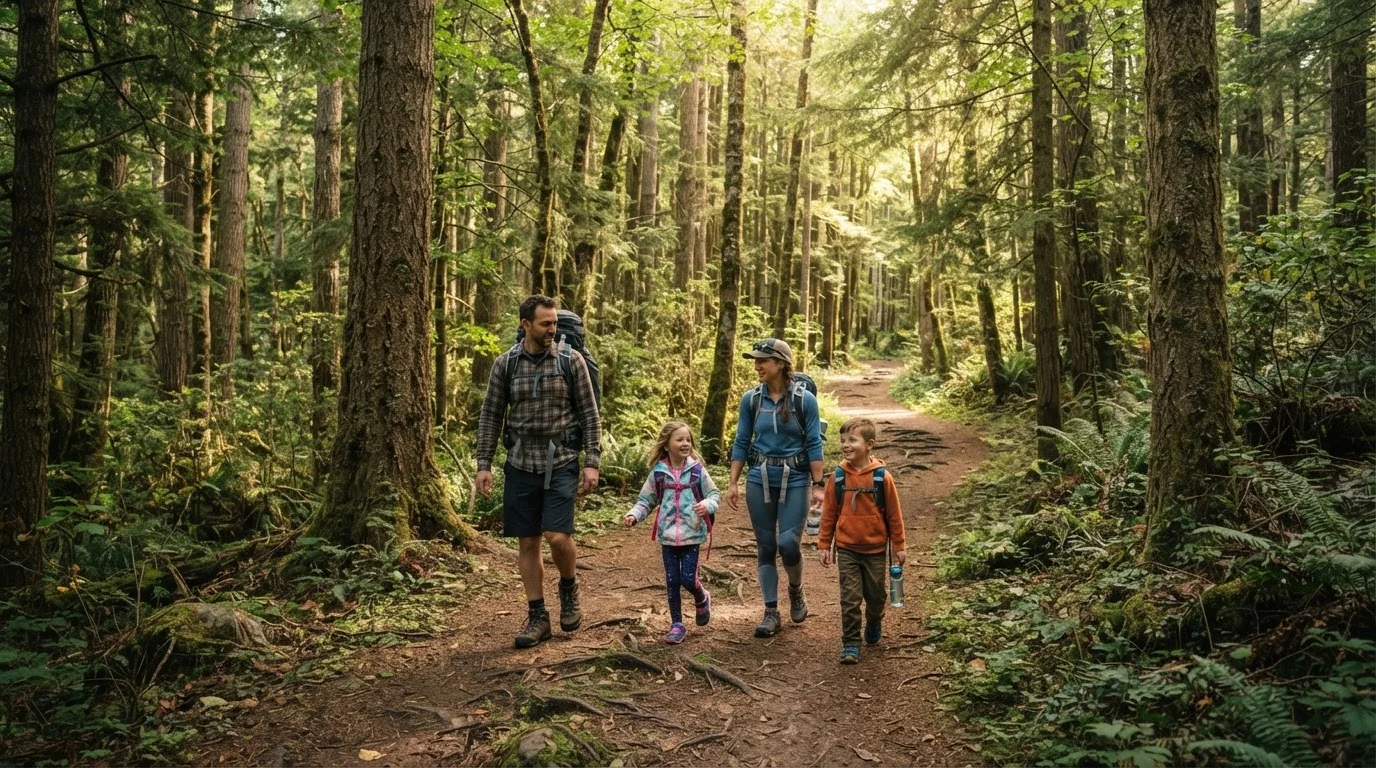
Photo credit: featuredbuzz.com
In this article
State parks offer hiking, swimming, and camping at a fraction of the price of major attractions. Here is why they deserve a closer look.
Key Takeaways
- State parks in the U.S. number over 10,000 units, giving families options within driving distance of most major cities.
- Day-use fees at state parks typically range from free to around $10 per vehicle, far below most commercial attractions.
- Camping at state parks costs significantly less than hotels, with many sites available for under $30 per night.
- State parks often have far shorter reservation windows than national parks, making last-minute trips more practical.
- Annual state park passes can reduce per-visit costs to nearly nothing for families who visit multiple times a year.
What state parks actually are
Every state in the U.S. maintains its own park system, separate from the National Park Service. These parks protect everything from Gulf Coast beaches in Florida to volcanic landscapes in Hawaii to old-growth forests in Oregon. Most were established to give state residents affordable access to nature, and that original purpose still shapes how they are priced and managed today.
Because state governments fund these parks, admission fees are set with local residents in mind. A family paying $8 to enter a state park for a full day is getting a very different financial proposition than the same family paying $35 per person at a theme park or $20 per vehicle at a busy national park during peak season. The comparison is not just about cost: it is about what you get for that cost, including space, quiet, and genuine outdoor experience.
For families who want activities that do not require standing in line or navigating a crowded parking structure, state parks solve a real problem. They are also closer to home for most Americans than national parks. According to the National Association of State Park Directors, roughly 80% of Americans live within 30 miles of a state park.
What you can do there
The activity range at state parks is wider than many families realize. Hiking trails exist at almost every park, from stroller-accessible paved loops to multi-day backcountry routes. Many parks have designated swimming areas, either at ocean beaches, lake waterfronts, or river access points. Fishing piers and boat launches are standard at parks built around water. Several state parks also protect historic sites, with interpretive exhibits that work well as informal history lessons for kids.
Campgrounds at state parks range from primitive tent sites with a fire ring to full-hookup RV pads with electrical and water connections. For families who have not camped before, state park campgrounds are a lower-stakes introduction than backcountry camping: facilities are nearby, staff are on-site, and the sites are accessible by car. See our breakdown of camping versus budget hotel costs for a closer look at what each option actually costs per night.
Check the park calendar before you book
Many state parks post seasonal programming schedules on their official websites, including free guided hikes, junior ranger days, and evening programs. Timing your visit around one of these events adds structured activity without adding cost. Availability varies widely, so confirm details directly with the park.
Seasonal programming adds another layer of value. Many state parks run nature walks, Junior Ranger programs, star-gazing nights, and guided canoe trips, often at no additional charge beyond the entry fee. These programs are not universally available, so it is worth checking the park's event calendar before your visit.
The crowd and reservation advantage
National park overcrowding has become a real practical problem. Yosemite Valley now requires timed entry permits in summer. Arches National Park has moved to a reservation system for daytime access. These policies exist because visitation has far outpaced infrastructure, and they add friction to trip planning that families on flexible schedules may not want to deal with.
State parks operate under different pressures. Most do not require timed entry, and campsite reservation windows are shorter, so a trip planned four weeks out is realistic rather than stressful. If you are traveling in shoulder season, off-peak travel makes state parks even more accessible, with more open campsites and shorter trails.
That said, popular state parks near major metro areas do fill up on summer weekends. California's state beach campgrounds and New York's Adirondack sites book out quickly in July and August. The solution is to check reservation availability early and consider weekday visits, which are consistently less crowded at virtually every park in the system.
Costs and passes worth knowing
Day-use fees at most state parks fall between free and $15 per vehicle. Some states, including Virginia and Tennessee, charge nothing for day use at most of their parks. Others, like California and Washington, charge a per-vehicle fee that still works out to a few dollars per person for a family of four.
Annual passes are available in nearly every state and are worth calculating if your family plans to visit more than twice in a year. Most state annual passes cost between $50 and $100 for a vehicle, which can mean a per-visit cost of under $10 if you use the parks regularly. A few states also honor reciprocity agreements or participate in America the Beautiful interagency passes, though coverage varies.
Be aware of costs beyond the entry fee. Some state parks charge separately for camping, boat rentals, equipment rentals, or special programs. Parking at heavily visited parks can carry its own fee. These add-ons are worth checking in advance to avoid surprises, and our article on hidden vacation costs families overlook covers this kind of budget gap in more detail.
For families building a broader outdoor recreation strategy, it is also worth comparing what free and low-cost activities at national parks look like alongside state park options, since the two systems can complement each other depending on where you travel.
Frequently Asked Questions

Author
Budget Travel Tips Editorial Team
Budget Travel Tips Editorial Team is the collective byline for our editorial team and contributor network. Articles published under this byline or an editorial pen name are researched, written, and reviewed according to our editorial standards for clarity, consistency, and independence before publication.
View all articles →