
Backyard Camping: What Families Actually Need to Make It Work
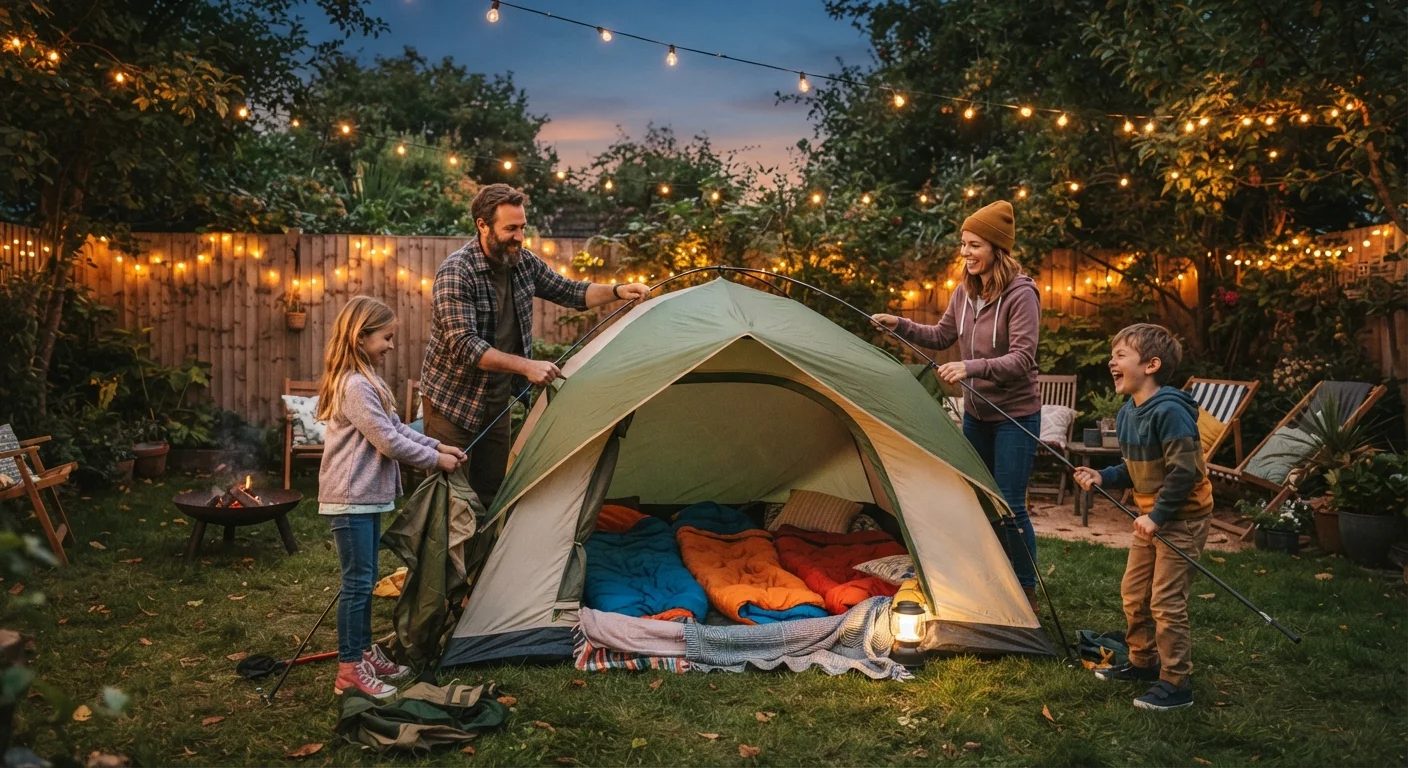
Photo credit: featuredbuzz.com
In this article
Backyard camping can be a genuine overnight adventure for kids. Here is what to prepare, what to skip, and how to make the night memorable.
Key Takeaways
- A successful backyard campout requires only basic gear most families already own.
- Pre-planning food, activities, and sleeping arrangements prevents common overnight frustrations.
- Kids build genuine outdoor confidence from backyard camping before tackling longer trips.
- Weather checks and a simple bug strategy make the night comfortable, not chaotic.
- The back door stays unlocked for emergencies, which removes the biggest barrier for hesitant families.
Why backyard camping actually works
Backyard camping strips away the logistics that make real camping feel overwhelming: long drives, site reservations, and the risk of a miserable night far from home. The stakes are low, the cleanup is fast, and kids who discover they love sleeping outside are far more ready for an actual campground later. If you want a warm-up for bigger outdoor adventures, see our road trip planning guide for how backyard skills translate to the road.
What makes it work is not gear or expense. It is structure. Families who stumble through an unplanned backyard night tend to abandon the idea after one bad experience. Those who prep even a little come back for more. The steps below cover exactly what to prepare, in the order that matters.
What you will need
What to prepare before the sun goes down
Walk the yard in the afternoon, not after dark. Check the ground where the tent will sit: rocks, roots, and ant hills are easy to miss at night. Mow if the grass is long, or lay a tarp as a ground barrier. Pull the tent out and confirm all poles and stakes are present before kids are watching and expecting a smooth setup.
Food is the part families most often underestimate. A backyard cookout follows the same logic as packing meals on any trip. Our guide to packing vacation meals has a useful framework for thinking through what travels well and what does not. For the backyard, keep it simple: something grillable, a snack bag per kid, and a breakfast item that does not need cooking if the morning is rushed.
Bug deterrents matter. A can of insect repellent and citronella candles placed a few feet from the tent opening handle most warm-weather situations without chemicals near sleeping faces.
Tent
Provides shelter and the physical boundary that makes the yard feel like a campsite.
Sleeping bags
Keeps each person warm through the night, particularly at the cooler overnight low.
Ground tarp
Creates a moisture barrier between the tent floor and damp or uneven ground.
Headlamps or small flashlights
Allows bathroom trips and movement without waking the whole tent.
Battery-powered lantern
Lights the inside of the tent for reading, changing, or calming anxious kids.
Insect repellent
Reduces bug exposure during the evening hours before everyone is inside the tent.
Camp stove or grill
Used outside for cooking dinner or heating a simple breakfast.
How to run the actual evening
Give the campout a loose schedule so it feels like an event rather than just sleeping outside. Start with setup as a group activity, then move to food, then a planned activity after dark. That rhythm keeps kids engaged and stops the night from drifting into screen time on the lawn.
The activity block is where most of the memory-making happens. Stargazing works anywhere with even moderate darkness. A flashlight scavenger hunt costs nothing. If you want something more structured, our nature scavenger hunt guide shows how to design one that fits the yard and the ages in your group. Storytelling in the tent after everyone is inside is a reliable closer that gets kids genuinely sleepy.
Set a lights-out time and mean it. Kids push back, but they also respond well to a clear rule in an unfamiliar context. A headlamp for each person means no one is fumbling in the dark for bathroom trips.
Handling the night and the morning after
Temperature drops more than most families expect, even in summer. Each person needs a sleeping bag rated at least to the forecasted low, plus one extra layer they can pull on. Young children sleep cold and wake up early when uncomfortable, so err on the side of warmer.
Keep the back door unlocked. This is not a failure of camping spirit. It is the safety net that lets the whole family commit to the night without anxiety. A child who needs the bathroom at 2 a.m. or a parent who cannot sleep should be able to go inside without waking everyone.
Morning is often the best part. Coffee made on a camp stove or a simple backyard breakfast extends the experience by another hour without much effort. Kids who sleep outside tend to wake curious and energetic rather than groggy. If the overnight went well, the conversation naturally turns to what a real campground might be like, which is exactly the point. For families thinking about cost comparisons for future trips, our camping vs. budget hotels breakdown puts the numbers in plain terms.

Author
Free Family Fun Editorial Team
Free Family Fun Editorial Team is the collective byline for our editorial team and contributor network. Articles published under this byline or an editorial pen name are researched, written, and reviewed according to our editorial standards for clarity, consistency, and independence before publication.
View all articles →