
Packing Your Family's Vacation Meals: A Smarter Approach to Food Costs
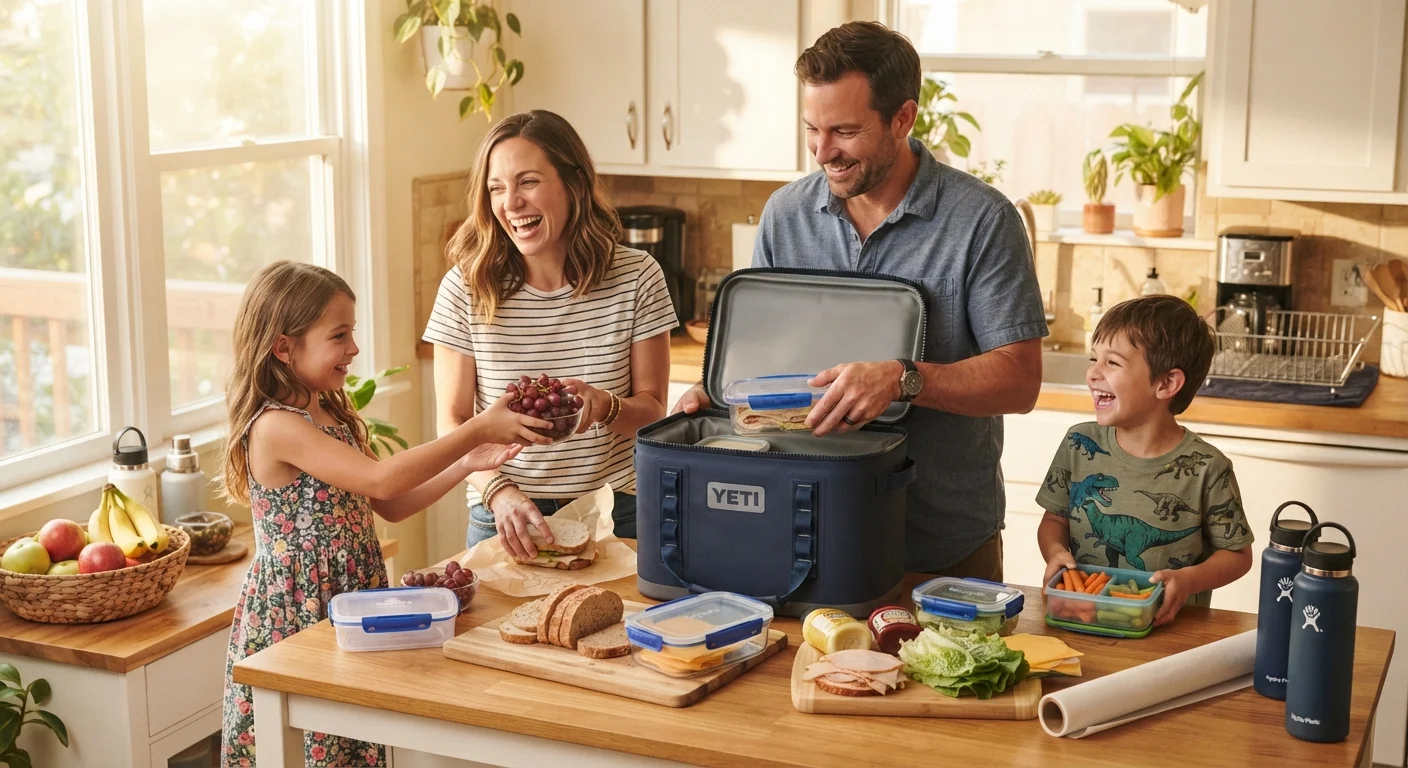
Photo credit: featuredbuzz.com
In this article
Find out how bringing your own food on family trips can cut travel expenses without sacrificing fun or nutrition on the road.
Key Takeaways
- Food is one of the largest variable costs on a family vacation and one of the most controllable.
- A simple meal plan written before you leave removes most in-trip grocery guesswork and impulse spending.
- Packing a cooler and shelf-stable snacks works for road trips, vacation rentals, and some hotel stays.
- Cooking one or two meals per day at your accommodation can cut daily food costs significantly.
- The right containers and a well-organized cooler reduce waste and keep food safe across long driving days.
Why food costs derail family vacation budgets
Dining out three times a day for a family of four adds up fast. A sit-down dinner at a casual restaurant, with drinks and tip, can run $70 to $100 or more. Do that for seven days and food alone can cost as much as the lodging. For families building a realistic vacation budget, food is often the line item that blows everything else apart because it feels small in the moment.
The fix is not to avoid restaurants entirely. It is to treat food the same way you treat flights and hotels: plan it in advance, set a number, and have a system that keeps you inside it. Bringing your own food for most meals, then choosing one or two dining-out experiences that are worth it, is a workable approach for most families.
This matters even more when you factor in the costs families typically overlook, like convenience store runs, airport snacks, and that second round of theme-park drinks nobody budgeted for.
The grocery store stop near your destination
If your trip is four or more days, plan one restocking stop at a full grocery store near your destination rather than relying on convenience stores or tourist-area markets. Look up the store location before you leave so you can route to it on arrival day. This keeps perishable variety in your cooler without overpacking at home.
What you need before you pack a single item
Before you touch a container or open the pantry, write a simple meal plan. List every day of the trip and decide which meals you will prepare and which ones you plan to eat out. Be specific: breakfast from the cooler on days one through five, lunch packed daily, dinner out on two nights. This one step removes most of the guesswork that leads to expensive impulse buys mid-trip.
Check your accommodation type before planning. Vacation rentals with full kitchens allow for hot breakfasts and full dinners. Hotel rooms with a mini-fridge support cold storage but not cooking. Car camping opens up camp stove meals. The type of lodging you choose shapes what food options are realistic.
What you will need
Step-by-step: packing meals and snacks for your trip
Write a meal-by-meal plan for the full trip
Sit down with a calendar view of your trip and assign a category to every meal: packed, cooked at accommodation, or dining out. Aim for no more than two dining-out meals per day, and fewer if your budget is tight. Write a grocery list directly from this plan so you buy only what you will actually use.
Shop at home before you leave
Buy shelf-stable items, snacks, and anything that can be pre-prepped from your regular grocery store before departure. Home prices are almost always lower than anything you will find at a tourist-area grocery store or a gas station. For perishables, buy them the day before you leave to maximize freshness and cooler life.
Pack the cooler strategically
Pre-chill the cooler for at least an hour before loading it. Place a layer of ice or ice packs on the bottom, then raw proteins in sealed bags, then dairy and prepped meals, then items like fruit and drinks on top. Fill air gaps with more ice. A full cooler stays cold longer than a half-empty one.
Prep meals and snacks before departure day
Hard-boil eggs, portion trail mix into bags, slice vegetables, and assemble sandwiches or wraps that can be eaten on day one. The more you do at home, the less you have to improvise on the road when everyone is hungry and the nearest option is a highway rest stop at $10 a person.
Set a daily food budget and track it simply
Decide on a per-day food number before you leave. A realistic target for a family of four eating mostly packed meals with one dining-out meal is $40 to $60 per day, though actual costs vary by location and family size. Keep a running total in a notes app or on paper. Checking in each evening takes less than two minutes and keeps small overages from becoming large ones by the end of the trip.
Keeping food safe and organized on the road
Food safety is the constraint that determines everything else. A well-packed hard-sided cooler with enough ice or ice packs can hold perishables safely for two to three days. If your trip is longer, plan to restock ice at a grocery store, which is cheaper than a gas station. Keep raw proteins in sealed bags at the bottom, and place items you will grab frequently near the top so you are not digging through everything and warming the cooler faster than necessary.
Label containers by meal and day if you have multiple family members pulling from the cooler. A small written list taped to the lid showing what is inside and in what order takes about two minutes to make and prevents a lot of frustration. For shelf-stable snacks, a separate tote or bag in the back seat works better than mixing them with the cooler. Kids can reach snacks without opening the cooler every twenty minutes.
Families doing longer road trips might also find useful overlap with strategies for affordable US road trips, where food planning fits into a broader cost-cutting approach.

Author
Budget Travel Tips Editorial Team
Budget Travel Tips Editorial Team is the collective byline for our editorial team and contributor network. Articles published under this byline or an editorial pen name are researched, written, and reviewed according to our editorial standards for clarity, consistency, and independence before publication.
View all articles →