
Your Local Park System Is a Free Family Activity Hub
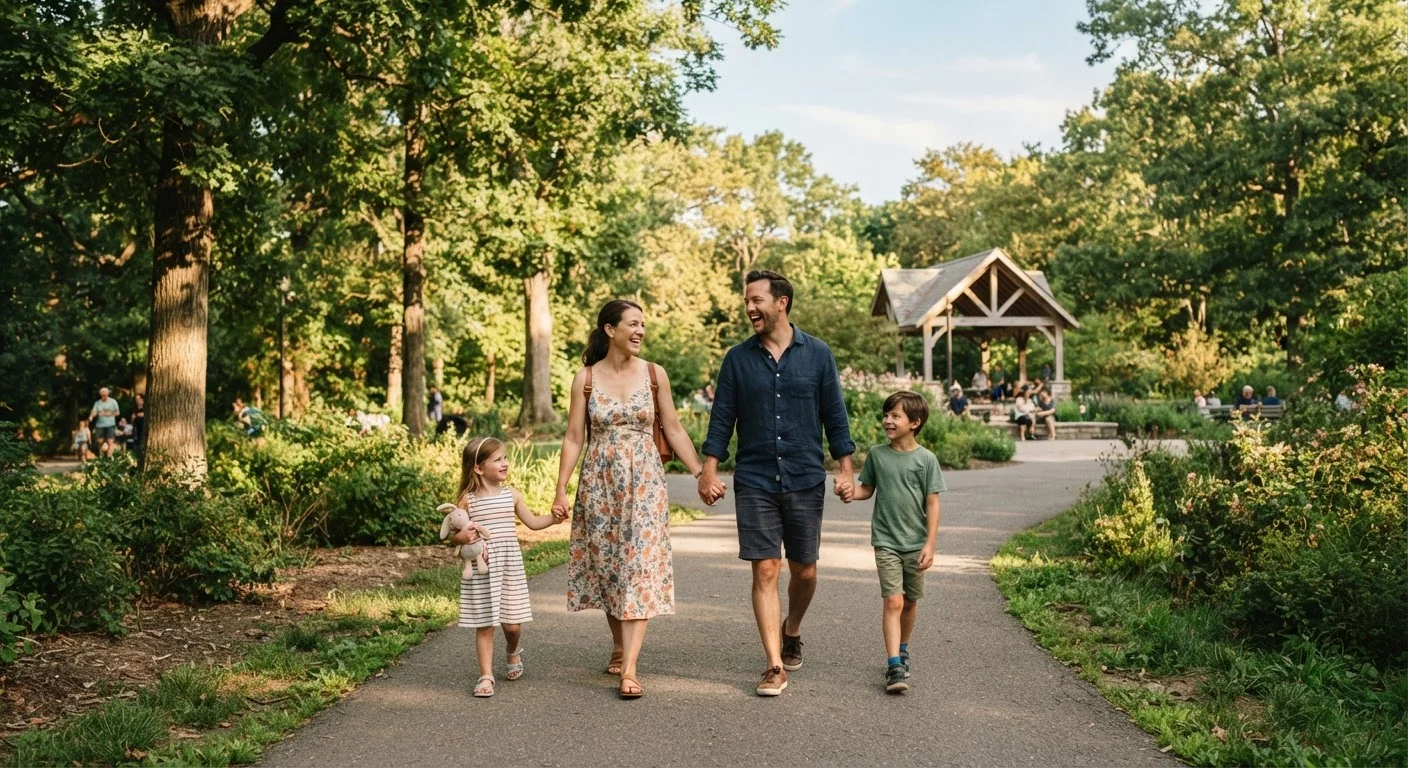
Photo credit: featuredbuzz.com
In this article
Beyond playgrounds, public parks offer trails, events, ranger programs, and seasonal activities that cost families nothing to enjoy.
Key Takeaways
- Most local park systems include trails, nature programs, and seasonal events that cost nothing to attend.
- Ranger and naturalist programs at local parks teach children science and ecology at no charge.
- Parks departments publish free event calendars online, making it easy to plan activities in advance.
- Seasonal programming shifts what your park offers, so checking in regularly reveals new opportunities.
- Unstructured outdoor play at parks supports child development without a price tag attached.
What most families miss about their local parks
The playground at the end of the street is a starting point, not the full picture. Local park systems across the country operate as year-round activity networks, and most families tap into only a fraction of what they include.
A typical city or county park system manages dozens of properties: neighborhood parks, sports complexes, nature preserves, community gardens, splash pads, and multiuse trails. The department running all of it also coordinates free programming, from guided bird walks to outdoor movie nights to youth fishing clinics. None of that shows up on a playground sign.
Child development research consistently points to outdoor free play as beneficial for children's physical and cognitive growth, and local parks are one of the easiest places to make that happen at zero cost. But beyond unstructured play, structured park programming can also fill a family's weekend calendar without spending anything.
The programs parks actually run
Parks departments in mid-size and large cities often employ naturalists, recreation coordinators, and sometimes park rangers who lead public programs. These are not passive offerings; they are scheduled, staffed events designed for community participation.
Search specifically, not generally
Typing your city name plus 'parks and recreation programs' into a search engine will usually surface the official department site faster than a broad search. Look for a 'programs' or 'events' tab rather than browsing the full site. Many departments let you filter by age group, which saves time when you are looking for something specific for your kids.
Common free or low-cost park programs include:
- Nature walks and wildlife identification hikes led by a naturalist
- Junior ranger or junior naturalist programs for school-age children
- Outdoor fitness classes in park pavilions
- Free youth sports leagues and clinics
- Guided stargazing or astronomy nights at darker-sky park sites
- Community garden plots and gardening workshops
- Summer reading programs held outdoors in partnership with local libraries
Many departments also partner with local schools, libraries, and nonprofits to expand programming. Free museum days and library events sometimes connect directly to park programming calendars, so the two are worth checking together.
10,000+
Local park and recreation agencies in the U.S.
The National Recreation and Park Association estimates there are more than 10,000 local park and recreation agencies operating across the United States.
1 in 5
Americans who visit a city or county park weekly
According to NRPA survey data, roughly one in five Americans report visiting a local park at least once a week.
11 billion
Annual visits to local parks in the U.S.
The NRPA reports that Americans make approximately 11 billion visits to local parks each year, more than the attendance of all major professional sports leagues combined.
Seasonal programming changes everything
A park that feels limited in February can look completely different in May. Parks departments plan programming around seasons, and families who check the calendar regularly discover that the same green space transforms multiple times a year.
Spring typically brings nature programs tied to migrating birds and blooming plants. Summer is the peak season for outdoor concerts, free movie nights, day camps, and community festivals. Fall programming often centers on harvest events, trail clean-ups that double as family outings, and Halloween-themed nature walks. Winter varies by region but can include sledding areas, ice fishing clinics, or indoor recreation center programming.
Community event calendars are one reliable way to track what is coming up, but your parks department website or app is the most direct source. Setting a monthly reminder to check the calendar takes about two minutes and keeps the whole family supplied with free plans.
How to get the most out of your park system
Start by searching for your city or county parks department online. Most have a website with a program calendar, a facility map, and contact information for specific parks. Some larger systems have dedicated apps.
Sign up for the department's email newsletter if one exists. Parks departments often fill program spots on a first-come basis, and early notice matters for popular events like summer fishing clinics or family campfire nights.
Ask about free or reduced-fee passes. Some park systems offer income-based fee waivers for programs that normally carry a small charge. These are rarely advertised prominently, but staff can direct you to them.
If paid attractions are part of your family's activity mix, comparing their value against free park options can help you decide where spending makes sense and where it does not. For many families, a well-used local park system replaces a significant portion of that spending without any sacrifice in fun or variety.
Frequently Asked Questions

Author
Free Family Fun Editorial Team
Free Family Fun Editorial Team is the collective byline for our editorial team and contributor network. Articles published under this byline or an editorial pen name are researched, written, and reviewed according to our editorial standards for clarity, consistency, and independence before publication.
View all articles →