
Mulching Your Garden Beds: Depth, Timing, and the Materials Worth Using
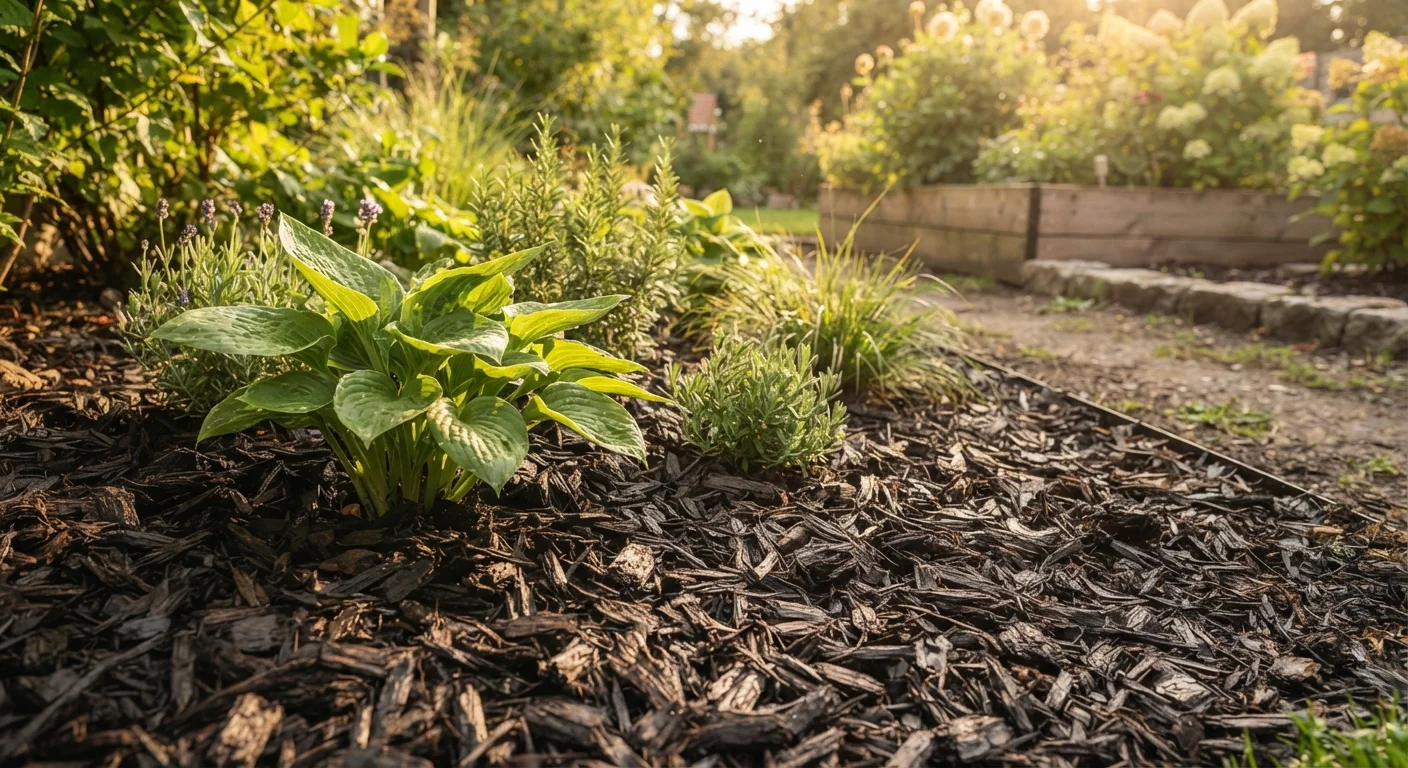
Photo credit: featuredbuzz.com
In this article
Get the fundamentals of mulching right, from how deep to apply it and when to refresh it, to the tradeoffs between wood chips, straw, and rubber alternatives.
Key Takeaways
- Apply mulch 2 to 3 inches deep for most beds; going deeper can suffocate roots and invite rot.
- Timing matters: mulch in spring after soil warms, and refresh before winter in cold climates.
- Wood chips break down slowly and feed soil biology; straw suits vegetable beds and decomposes faster.
- Rubber mulch does not improve soil and may introduce unwanted chemicals over time.
- Keep mulch a few inches away from plant stems and tree trunks to prevent moisture-related disease.
- Free or low-cost mulch sources, such as arborist wood chips, can cut material costs significantly.
Why mulching is worth the effort
Mulch does several jobs at once. It slows water evaporation from the soil surface, which means less frequent watering on hot days. It blocks light from reaching weed seeds, cutting the number of weeds that sprout. As organic mulches decompose, they add organic matter to the soil, which improves drainage in clay and water retention in sandy ground. For families trying to keep a garden going without spending every weekend on it, those benefits add up fast.
If your beds currently have bare soil, you are watering more and weeding more than you need to. Mulching is one of the higher-return tasks in garden maintenance, and the materials do not have to be expensive. For more on building healthy soil from the ground up, see our guide to compost versus bagged garden soil.
Getting the depth right
The standard recommendation for organic mulches in ornamental and vegetable beds is 2 to 3 inches. That depth is enough to suppress most annual weeds and slow evaporation without cutting off air exchange at the soil surface.
Going thinner than 1.5 inches gives weeds too much light to germinate. Going thicker than 4 inches in beds with shallow-rooted plants can slow rainwater penetration and, in humid conditions, hold enough moisture against stems to cause crown rot. Around trees, a 3- to 4-inch layer is acceptable farther out from the trunk, but taper down to nothing in the 6-inch ring nearest the bark.
One habit that wastes money and harms plants is "volcano mulching," where mulch is piled up against a tree trunk like a cone. It traps moisture against the bark, attracts pests, and can girdle the tree over several years. Keep mulch pulled back from trunks and stems consistently.
When to mulch
Spring is the most practical time to apply or refresh mulch in most U.S. climates. Wait until the soil has warmed enough to encourage root growth before covering it. Mulching over cold, wet soil in early spring can delay that warming and slow plant establishment.
In hot-summer climates, a well-timed spring application holds soil moisture through the dry months. In cold-winter climates, a light fall application after the ground has begun to cool can protect perennial roots from freeze-thaw cycles. The goal there is not to prevent freezing but to moderate temperature swings.
Check your beds each spring. If the existing layer has mostly decomposed into the soil, add fresh material. If it still measures 2 inches or more, you may only need to top it up in thin spots. For gardens in dry-summer regions, pairing good mulch practice with drought-tolerant plants reduces the overall maintenance load. Our article on low-water front yard plants covers plant choices that work well with mulched beds.
Comparing common mulch materials
Wood chips are the most durable organic mulch for ornamental beds. They decompose slowly, so a spring application often lasts the full growing season. As they break down, they feed soil fungi and bacteria. Arborist wood chips, sometimes available free through local tree-trimming services, are a practical option for covering large areas without a significant cost.
Shredded bark is similar to wood chips but finer. It knits together and resists blowing in wind, which makes it practical for slopes or exposed beds.
Straw works well in vegetable gardens. It is light, easy to move around transplants, and decomposes within a season, which lets you till it in at the end of the year. Avoid hay as a substitute because it typically contains seeds that will sprout.
Leaves, especially shredded ones, are an underused free resource. Whole leaves can mat together and shed water; running a mower over a pile before spreading them solves that. Shredded leaves break down in one season and add organic matter without any cost beyond time.
Rubber mulch is sold as a long-lasting alternative. It does not decompose, which means it contributes nothing to soil health. There are ongoing questions in the research community about whether compounds from recycled rubber tires leach into soil over time, and it is not recommended for vegetable beds. For ornamental beds where longevity is the only goal, some gardeners use it, but the soil health tradeoff is real.
Keeping costs down
Mulch costs vary widely depending on material and source. Bags from garden centers are convenient but add up quickly across large beds. Buying in bulk by the cubic yard from a landscape supplier is usually much cheaper per unit volume, and many suppliers have a delivery minimum rather than a per-bag price.
Arborist chips are worth pursuing if you have large areas to cover. Many tree services have to pay to dump chips and will deliver a load free or cheaply. The chips tend to be coarser and more varied than processed bags, which is fine for beds where appearance is secondary to function.
Municipal compost programs in many counties offer free or low-cost mulch made from yard waste collected curbside. Check your local government website to see if a pickup or drop-off program exists in your area.
Frugal garden management connects to broader home habits. The Frugal Family Living hub has more ideas for reducing ongoing household costs, including in the yard. If you grow vegetables in containers, our container gardening guide for renters covers how mulching and moisture retention work in smaller growing spaces.

Author
Affordable Home & Garden Editorial Team
Affordable Home & Garden Editorial Team is the collective byline for our editorial team and contributor network. Articles published under this byline or an editorial pen name are researched, written, and reviewed according to our editorial standards for clarity, consistency, and independence before publication.
View all articles →