
The Household Fixes You Can Safely DIY (and the Ones You Should Not)
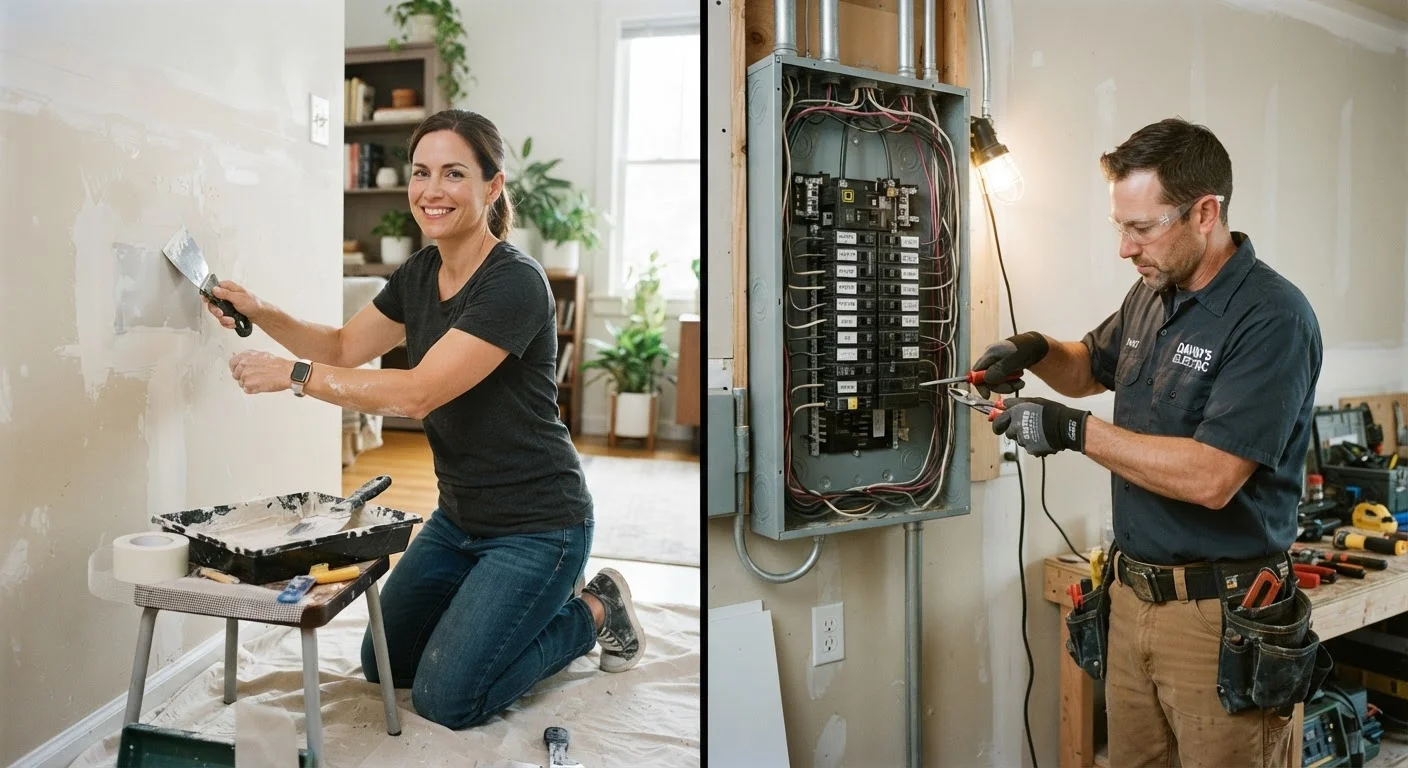
Photo credit: featuredbuzz.com
In this article
A clear-eyed look at which home repairs are genuinely beginner-friendly and which involve permits, codes, or hazards that call for a licensed professional.
Key Takeaways
- Many cosmetic and maintenance tasks are genuinely beginner-friendly with basic tools and patience.
- Electrical, gas, structural, and main plumbing work almost always requires a licensed professional and permits.
- Unpermitted hazardous repairs can create insurance gaps and complicate future home sales.
- A seasonal inspection habit helps you catch small problems before they become expensive, code-regulated ones.
- When in doubt about scope or safety, get a professional assessment before starting any repair.
Why the DIY-or-hire decision matters more than most people think
Tackling a repair yourself can cut costs significantly. It can also create code violations, void homeowner's insurance coverage, or leave a hidden hazard inside a wall. The decision is not just about skill level. It depends on whether the work is regulated, whether a permit is required, and what happens if something goes wrong.
Local building codes in the U.S. vary by municipality, but they consistently restrict certain categories of work to licensed trades. That is not bureaucratic overreach. Those rules exist because electrical faults, gas leaks, and structural failures injure people. Before starting any repair that goes beyond the surface, check with your local building department to understand what is allowed without a permit in your area.
A good seasonal habit helps you stay ahead of this. A fall inspection checklist covers gutters, weatherstripping, caulk, and HVAC filters well before small issues grow into ones that need licensed contractors.
Repairs most homeowners can handle safely
The following tasks generally do not require permits, do not involve regulated systems, and carry manageable risk when basic precautions are followed.
- Patching drywall holes up to a few inches across using mesh patches and joint compound
- Replacing a faucet or showerhead on an existing supply line (no cutting into main pipes)
- Caulking around tubs, sinks, windows, and exterior joints
- Repainting interior walls or refreshing exterior trim
- Replacing a toilet fill valve or flapper
- Installing or replacing light switch covers, outlet covers, and cabinet hardware
- Reglazing or cleaning grout on tile surfaces
- Fixing squeaky floors by driving screws through the subfloor into joists
Reading tile and grout early lets you catch deterioration at the caulk-and-reglaze stage rather than the full-replacement stage, which is a significant cost difference.
| DIY-friendly | Hire a professional | |
|---|---|---|
| Skill level needed | Basic to moderate | Licensed trade certification |
| Permit typically required | No | Often yes |
| Common tasks | Caulking, patching, painting, minor plumbing fixes | Electrical, gas, structural, main plumbing |
| Risk level if done incorrectly | Low to moderate (cosmetic damage) | High (fire, flood, injury, code violation) |
| Insurance implications | Minimal if surface work | Claims may be denied for unpermitted work |
| Typical cost impact | Saves labor cost | Required to protect safety and legality |
For any plumbing task, turn off the water supply at the shutoff valve and have towels and a bucket ready before loosening any fitting. These are fixable mistakes, but only if the water is off first.
Work that requires a licensed professional
These categories are regulated because the consequences of errors are severe and often not immediately visible.
Electrical: Replacing a single outlet or switch on a circuit you can positively identify and turn off is within many homeowners' reach. Anything beyond that, including adding circuits, upgrading a panel, installing new wiring, or working near the main service entrance, requires a licensed electrician and typically a permit with inspection. Faulty wiring is a leading cause of residential fires, and insurance claims are sometimes denied when unpermitted work is found to be the cause.
Gas lines: Do not modify, extend, or repair gas piping yourself. This includes connecting new appliances to supply lines. Gas work must be done by a licensed plumber or gas fitter and inspected. The risk of an undetected leak is too serious to treat as a cost-saving opportunity.
Structural and load-bearing work: Removing or altering a wall, modifying roof framing, or cutting into floor joists for any reason needs professional assessment. What looks like a non-load-bearing wall sometimes is not. A structural engineer or licensed contractor can tell the difference before demo begins.
Main plumbing: Connecting to or cutting into main drain lines, rerouting supply pipes inside walls, or working on the water main requires permits in most jurisdictions and the skill to solder or properly join pipes under pressure.
If an unexpected repair depletes your cash reserves, having a financial cushion matters. Building a household emergency fund covers how to get started from near zero so that a plumbing call does not become a financial crisis.
The gray zone: repairs that depend on scope and skill
Some tasks sit in the middle. Replacing a water heater, for example, involves both plumbing and electrical or gas connections. Some states allow homeowners to do this themselves with a permit and inspection. Others require a licensed plumber. The same goes for installing a ceiling fan on an existing circuit versus adding a new ceiling box where no wiring currently runs.
Before starting anything in this gray zone, call your local building department and describe the project specifically. Ask whether a permit is required and whether the work must be done by a licensed trade. That call is free and takes five minutes. It can save you from having to tear out finished work during a future home sale inspection.
Always ask about permits before hiring
Reputable contractors pull their own permits and schedule inspections as part of the job. If a contractor offers to skip the permit process, that is a reason to find a different contractor. Permitted work creates a record that protects you if problems arise later and when you sell the home.
When hiring a professional, ask whether they will pull the required permit. A contractor who suggests skipping permits to save money is signaling that the work will not be inspected. That is not a savings worth accepting.

Author
Affordable Home & Garden Editorial Team
Affordable Home & Garden Editorial Team is the collective byline for our editorial team and contributor network. Articles published under this byline or an editorial pen name are researched, written, and reviewed according to our editorial standards for clarity, consistency, and independence before publication.
View all articles →